
Grout Sealing in Los Angeles: Why, When and Which Sealer to Use
Sealing grout is the single most effective way to keep tile floors in Los Angeles looking clean. Learn the difference between penetrating and color sealers, how often to reseal, and what coastal climate means for your floors.
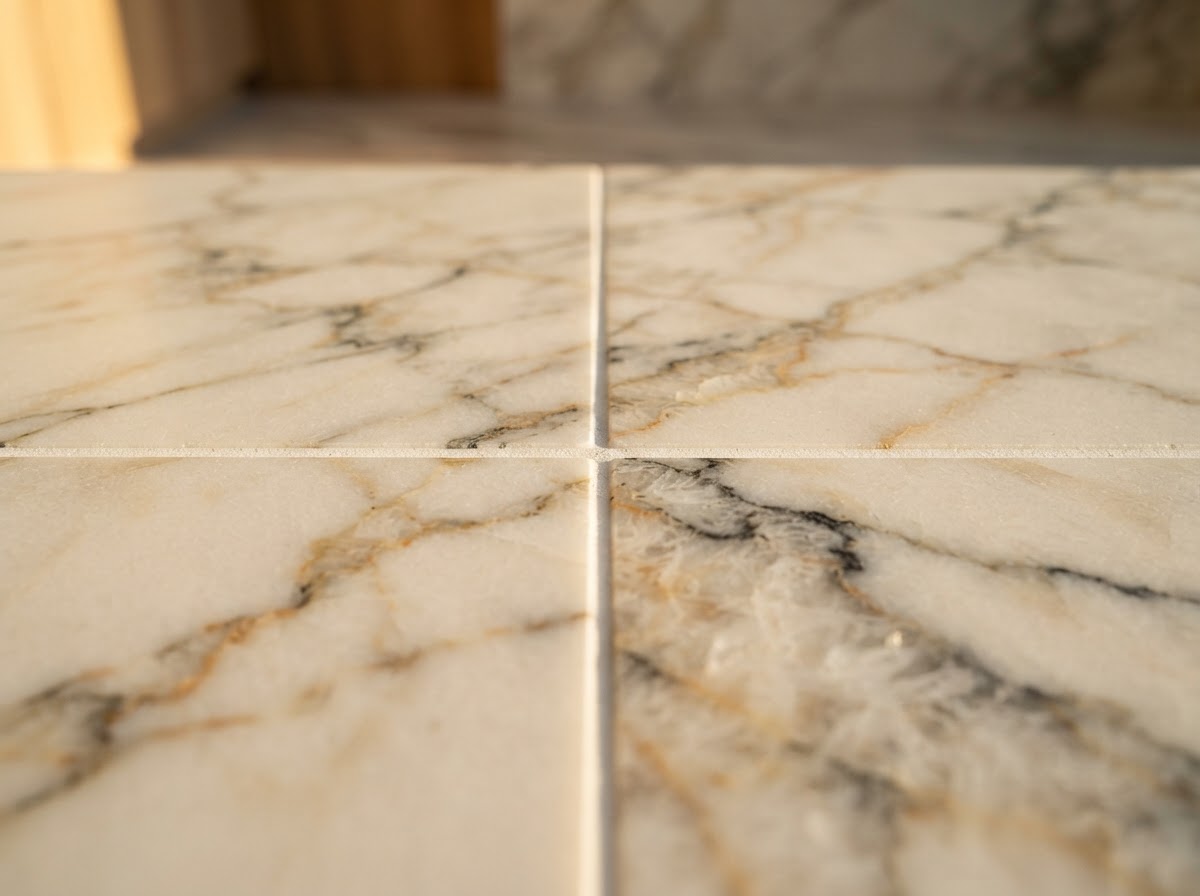
Grout is the weak point of every tiled surface
The tile face on a ceramic or porcelain floor is fired glass — effectively waterproof. The grout between the tiles is porous, sand-filled cement: a sponge that absorbs everything it touches. Water, grease, wine, coffee, pet accidents and mop water all soak into the joints, and once soil is inside the pore structure of grout, no surface cleaning will lift it out.
That is why floors "wear" unevenly. The tile still looks new while the grid of joints around it darkens year after year, until the grout reads as grey or brown and the whole floor looks dirty. Sealing addresses the root cause: it fills those pores so soil sits on top of the joint instead of soaking into it.
Penetrating sealers vs color sealers
A penetrating (impregnating) sealer soaks into the grout and bonds internally, blocking liquid and oil absorption without changing the grout’s appearance at all. It is the standard choice for grout that is still in good colour — including newly laid floors, where sealing before first use locks in the original appearance from day one.
A color sealer is a pigmented topical coating that recolours and seals in one application. It is the right choice when grout is already permanently stained, patchy or mismatched — from past "cleanings" or a poor original mix. Color sealing delivers a uniform colour you choose across the whole floor, and because the pigment sits in the coating, future staining cannot darken it the way it darkened the original grout. Both sealers need clean, prepared grout to bond to; applying sealer over dirty grout traps the soil permanently.
How often should grout be resealed in Los Angeles?
Sealer is a sacrificial layer that wears with traffic, cleaning products and moisture. In a typical Los Angeles home, a penetrating sealer on floors lasts roughly 1 to 3 years; showers, which are soaked daily, and high-traffic entries sit at the shorter end of that range. A simple test tells you when it is time: flick a few drops of water onto the grout. If they bead and sit there, the sealer is working. If they soak in and darken the joint within a few minutes, the grout is unprotected.
Los Angeles conditions matter more than most homeowners realise. Coastal homes in Santa Monica, Palos Verdes and the South Bay add salt air and humidity, which stress both grout and sealer. Inland, intense sun on outdoor patios and pool surrounds degrades sealer faster than indoor floors. Outdoor and coastal surfaces should be checked, and usually resealed, more often.
What a sealer does — and does not — do
A sealer buys time, not immunity. It slows absorption from minutes to hours, so a spilled glass of wine becomes a quick wipe-up instead of a permanent stain. It does not make grout self-cleaning: soil left on a sealed floor will still gradually wear through, and harsh cleaners — bleach scrubs, acidic descalers, ammonia products — strip and degrade the sealer itself.
The correct routine on sealed grout is pH-neutral cleaner, prompt blotting of spills, and professional cleaning before soil bonds — at which point resealing refreshes the protection. That cycle keeps floors looking newly laid indefinitely, which is precisely why sealing is scheduled as the final step of every professional clean we do.
Getting it right from the start
The most common mistake with grout is waiting. Unsealed or worn-sealer grout absorbs its first stains within months, and the repair goes from "seal it" to "deep-clean it, then seal it" to "color seal it, because cleaning will no longer lift it". If your grout is still in good colour — especially on a new floor or a newly cleaned one — sealing now is the cheapest renovation you will ever do to that surface.
We match the sealer to the material, the location and how the space is used, and we handle the preparation that determines whether the sealer actually bonds. Request a free quote and we will tell you honestly whether your grout needs penetrating sealer, a clean-and-seal, or a color seal.